CONTACT
The data gap
is staggering.
Language AI training data 15T+ tokens
Largest robotics dataset 1M episodes
Open X-Embodiment — 22 robots, 21 institutions, years to build
$1,200
Per 500 demos
via teleoperation
12 mo
To collect 76K
trajectories (DROID)
$80K
Production
teleop hardware
pi0 needed 10,000+ hours across 68 tasks.
DROID took 50 people, 12 months, 76K trajectories.
Foundation models need orders of magnitude more.
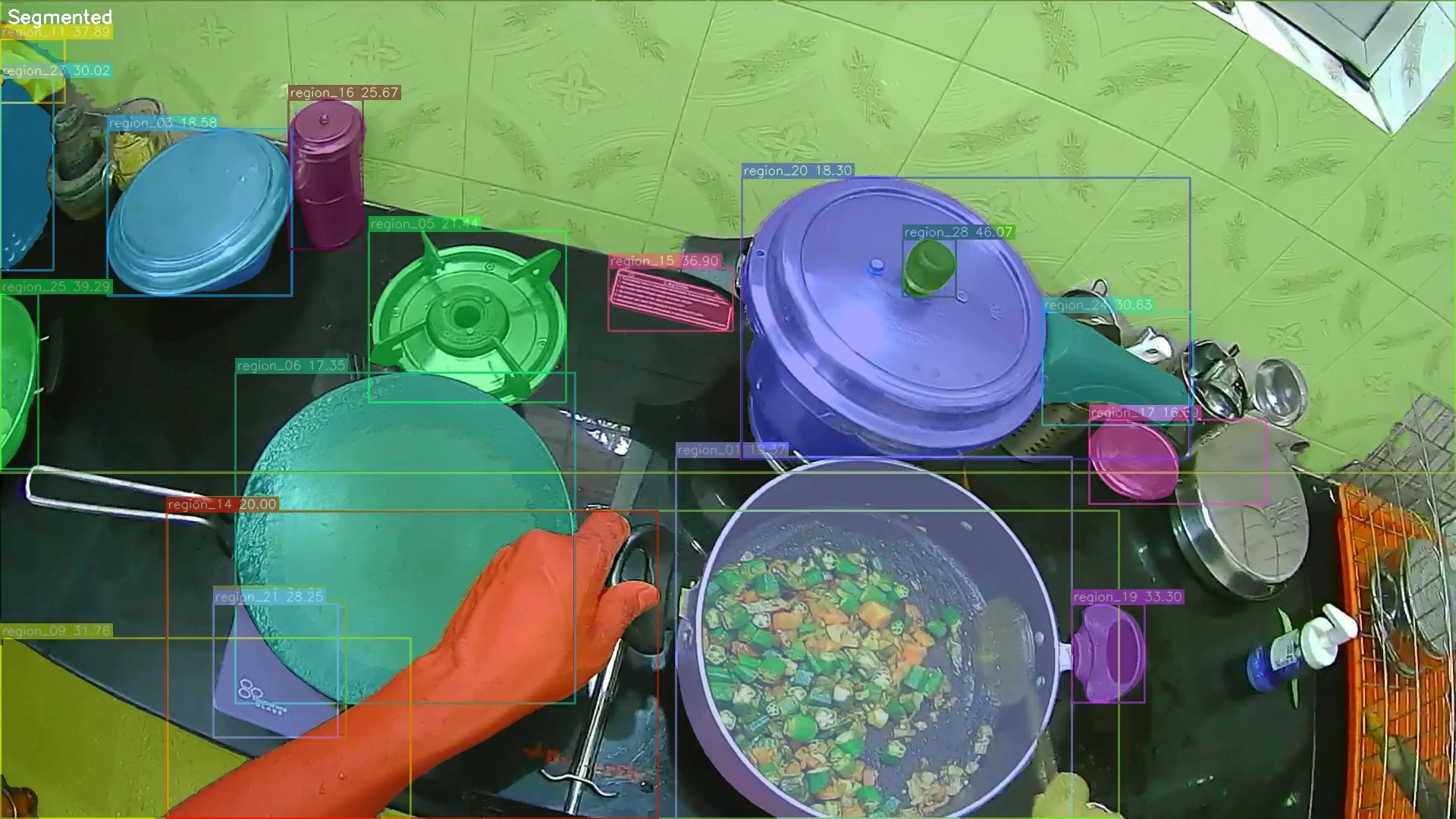
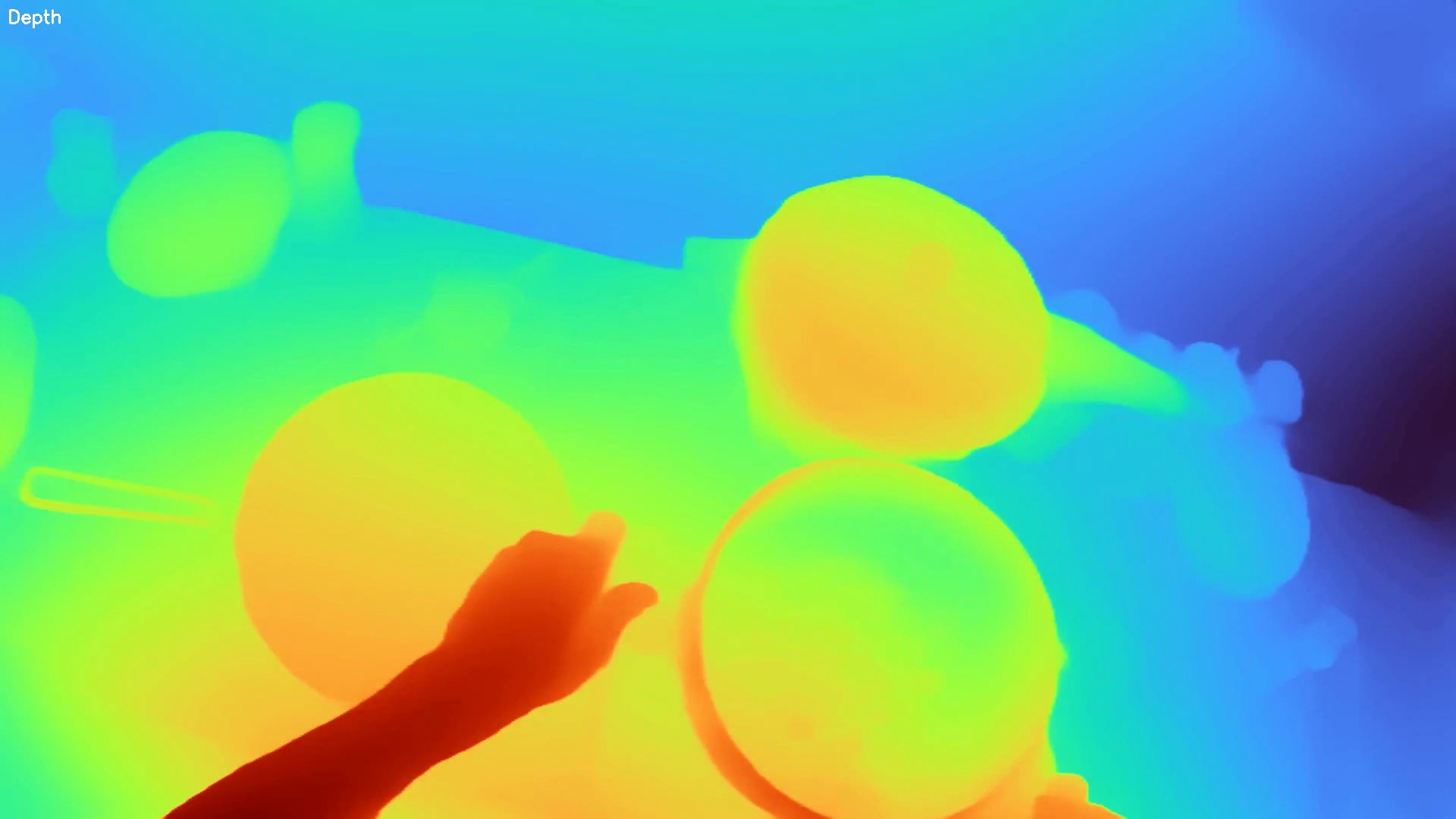
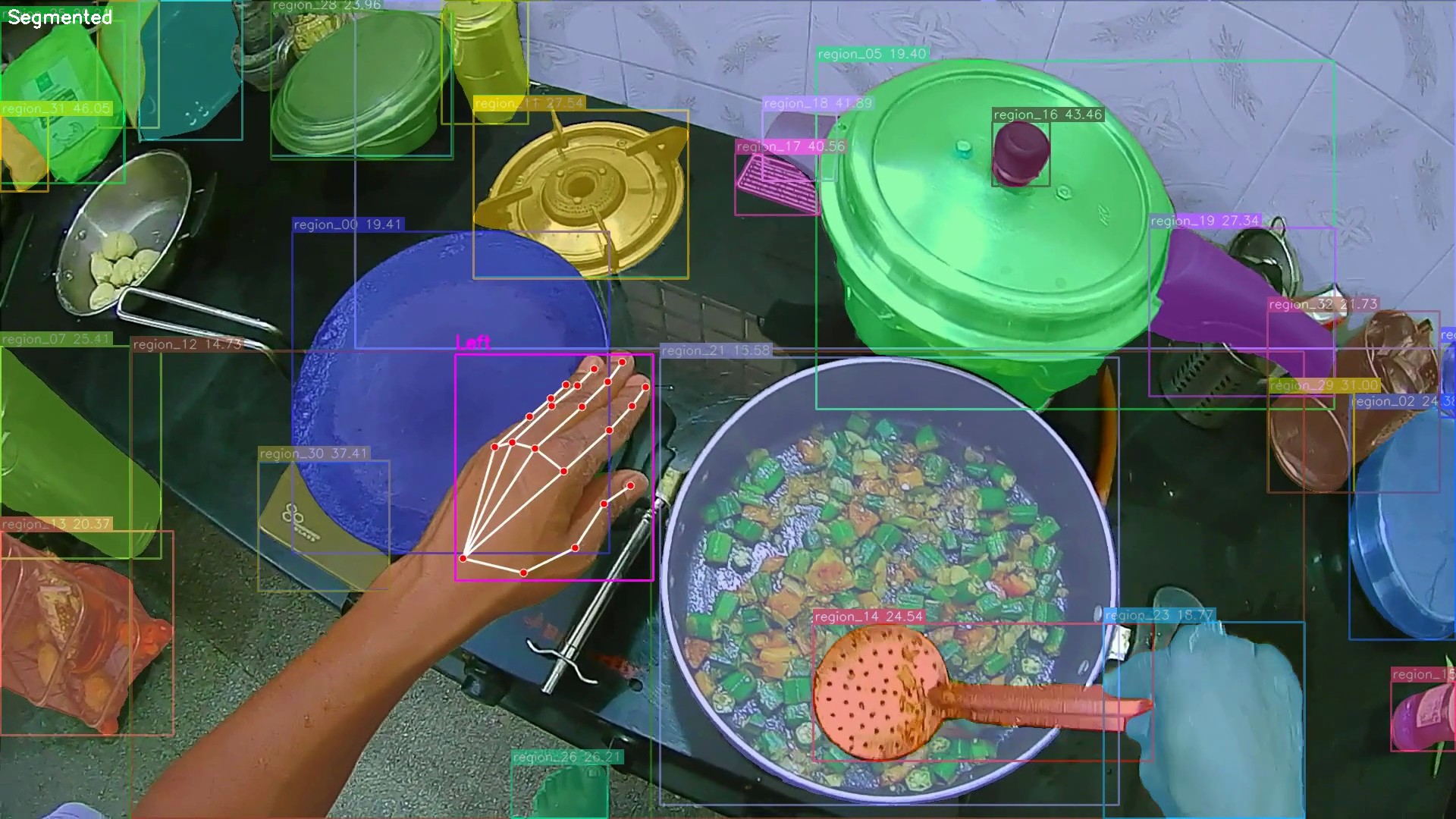
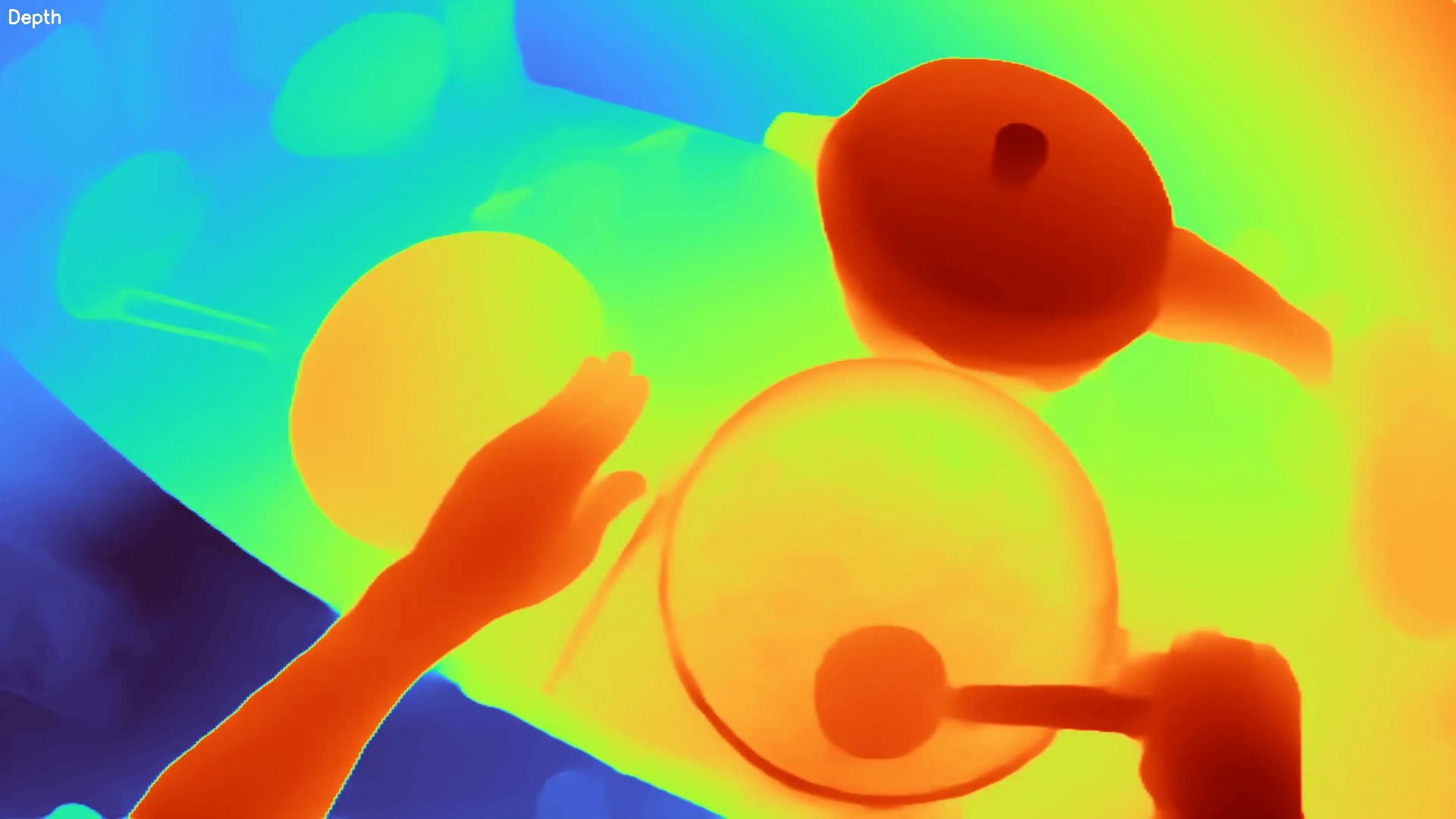
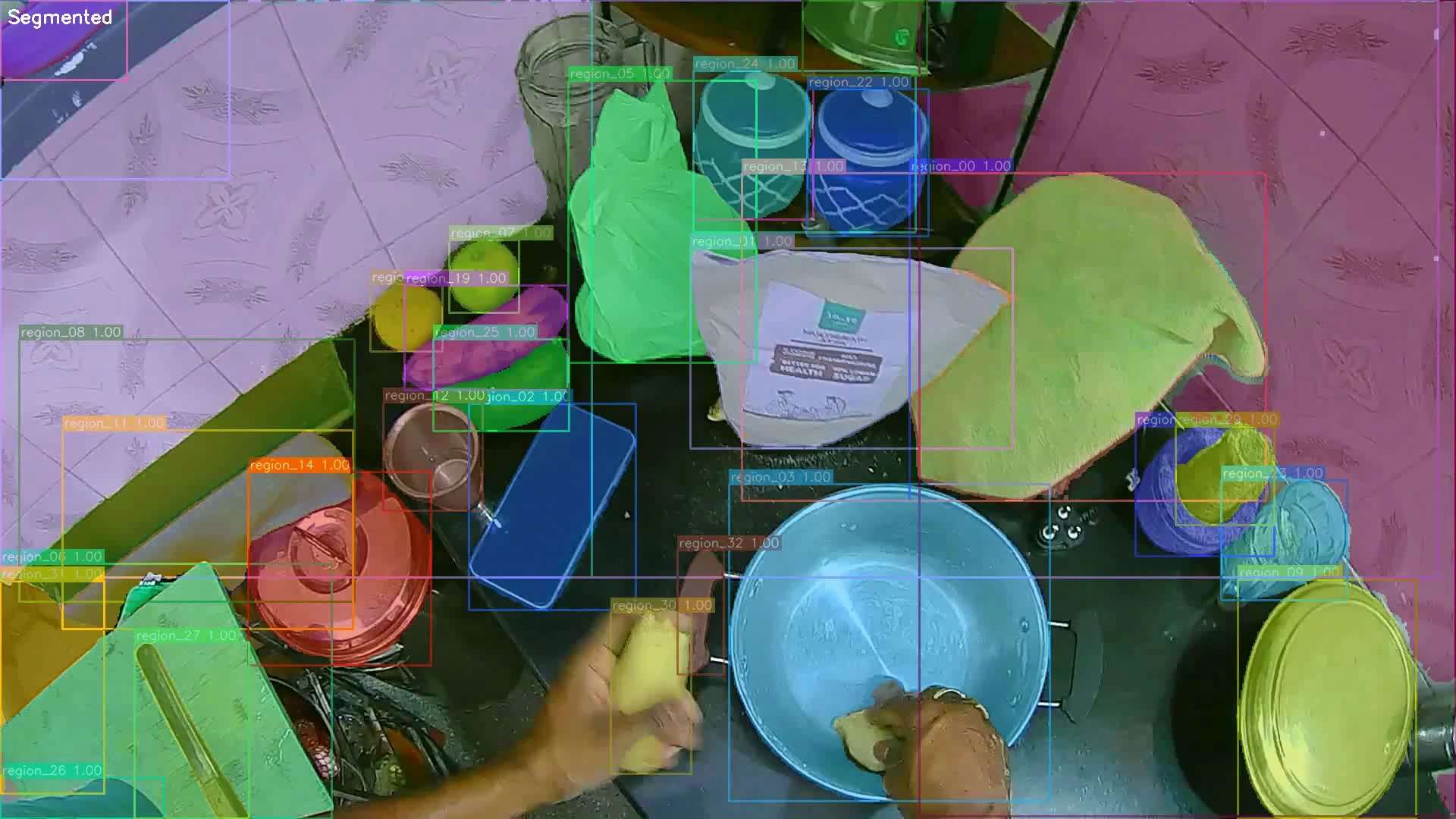
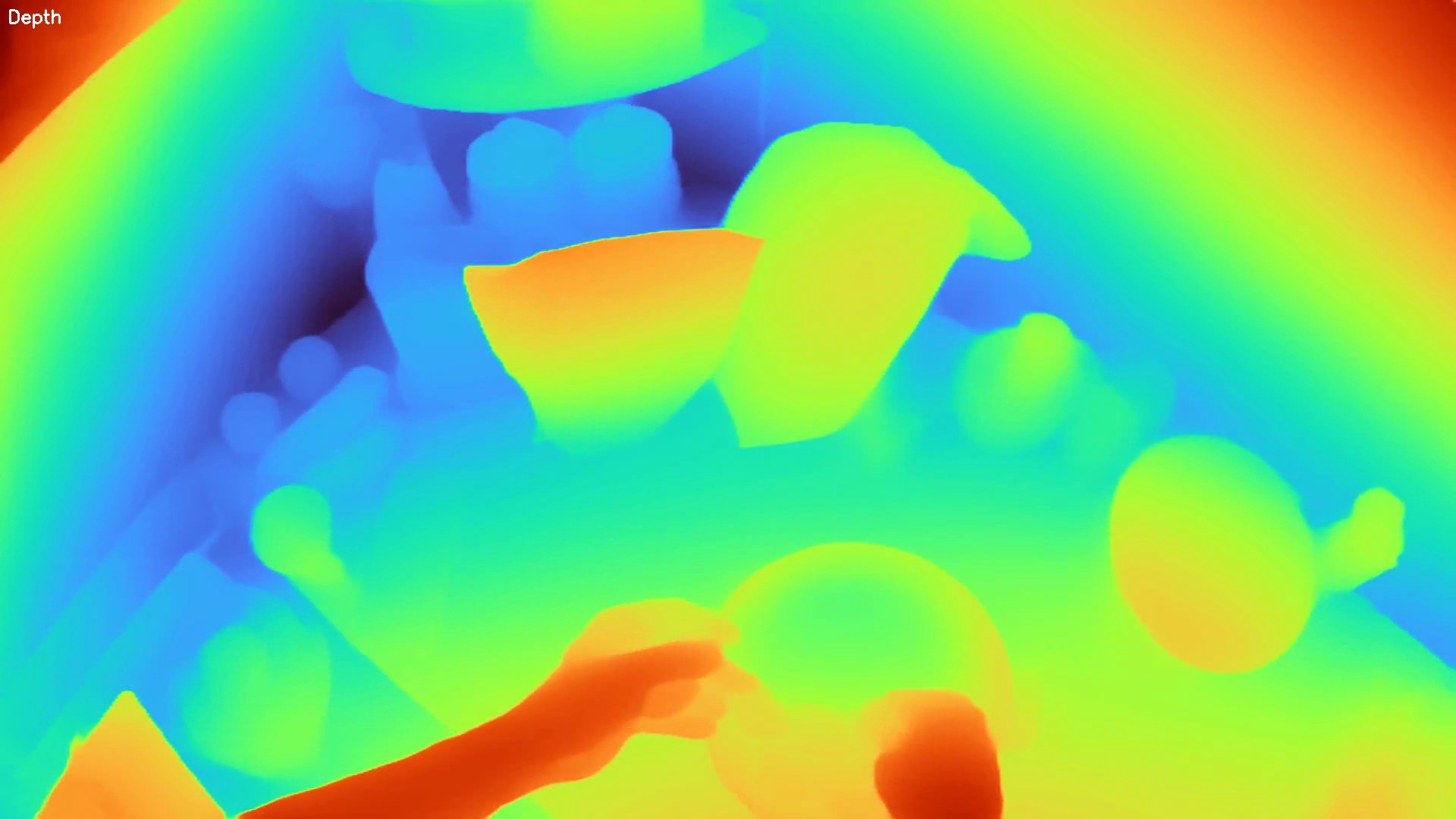
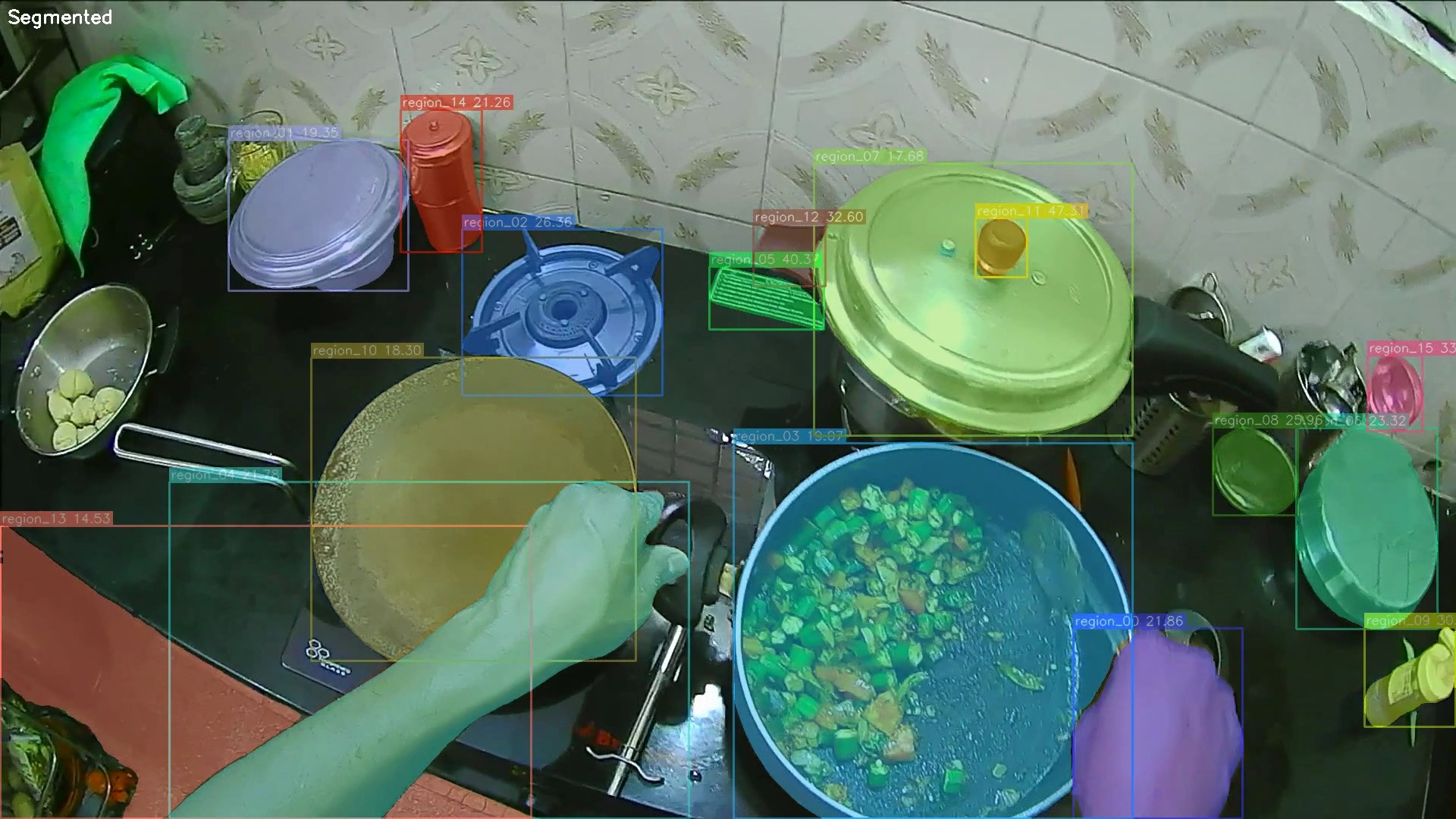
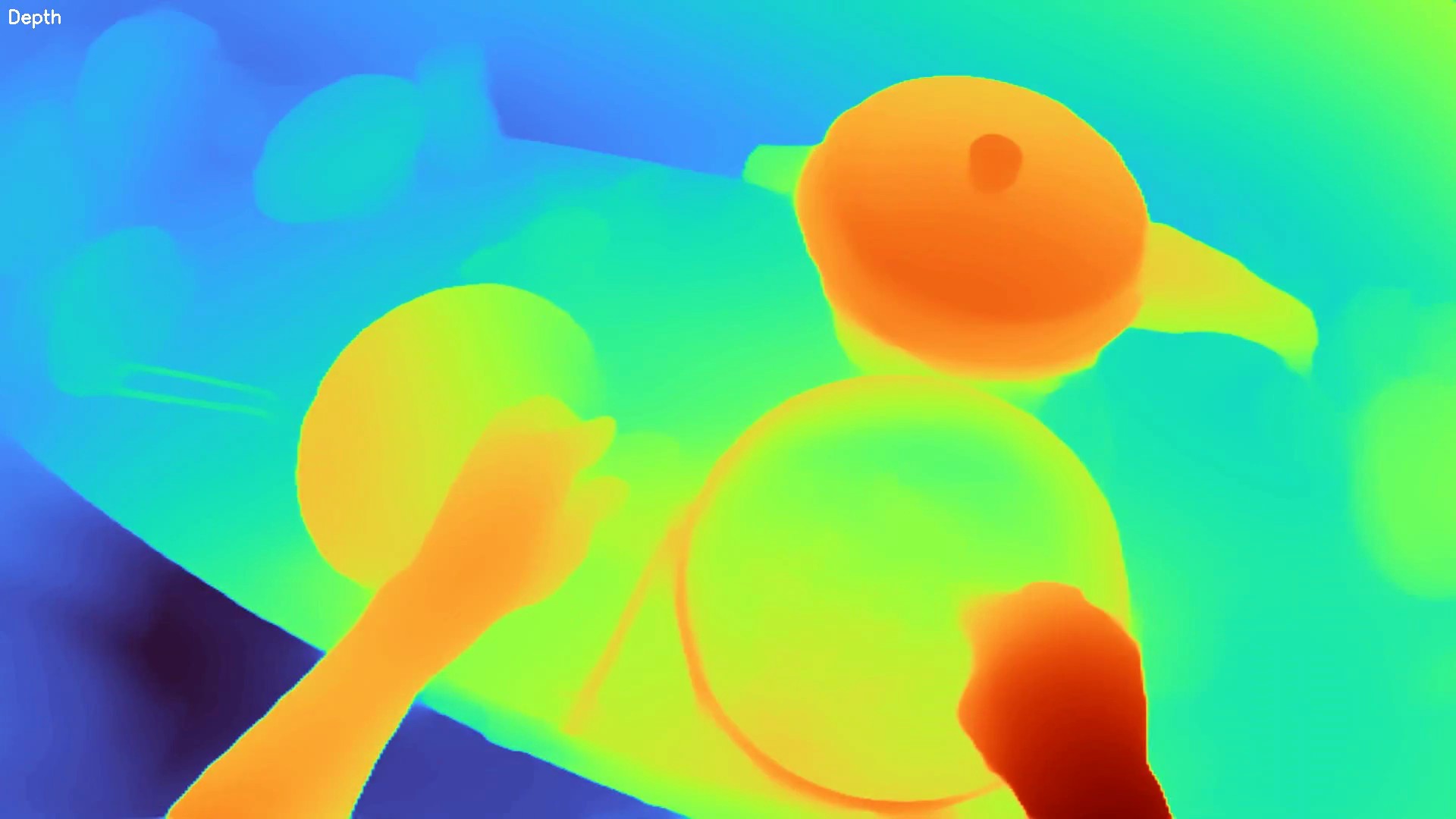
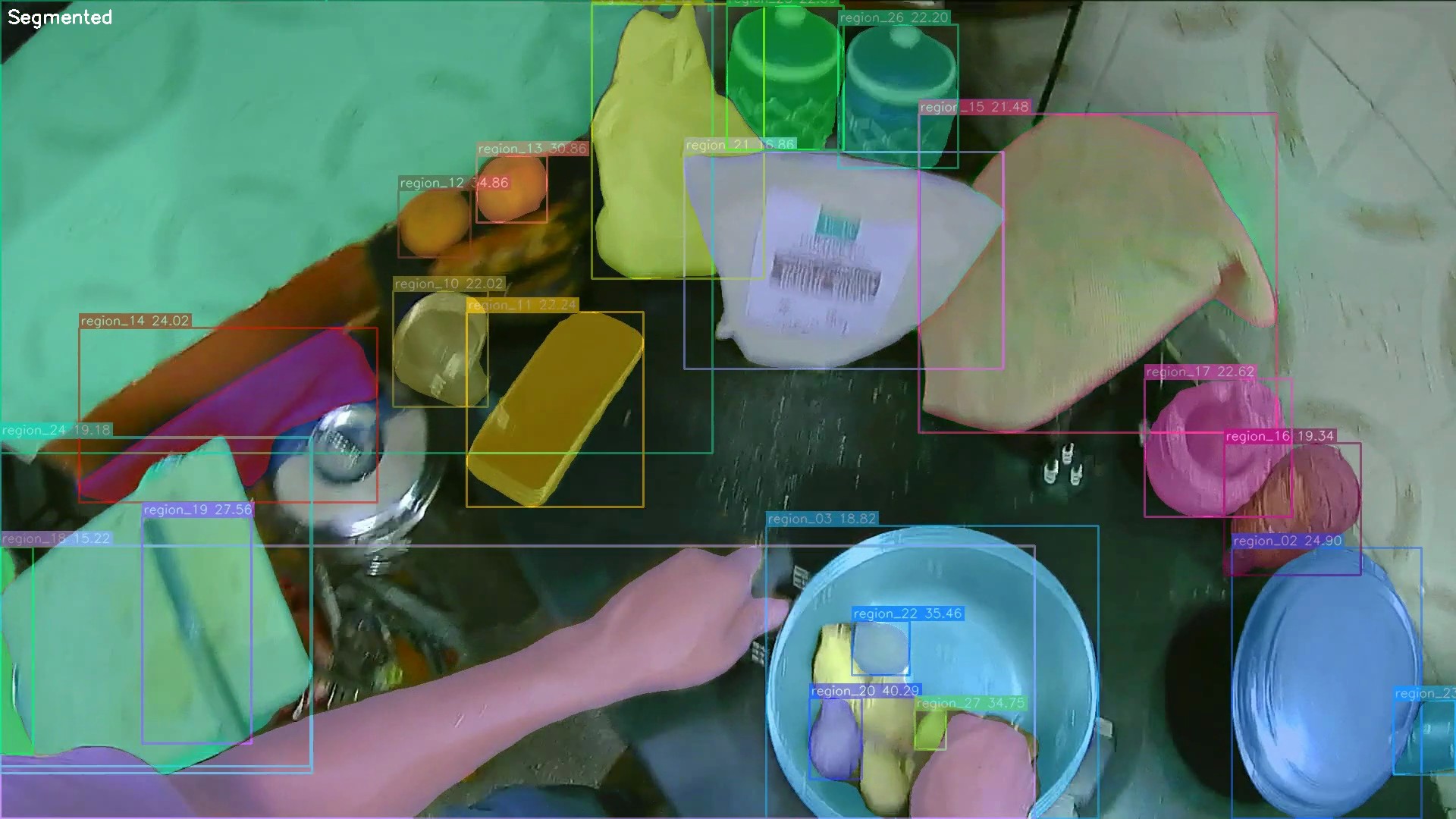
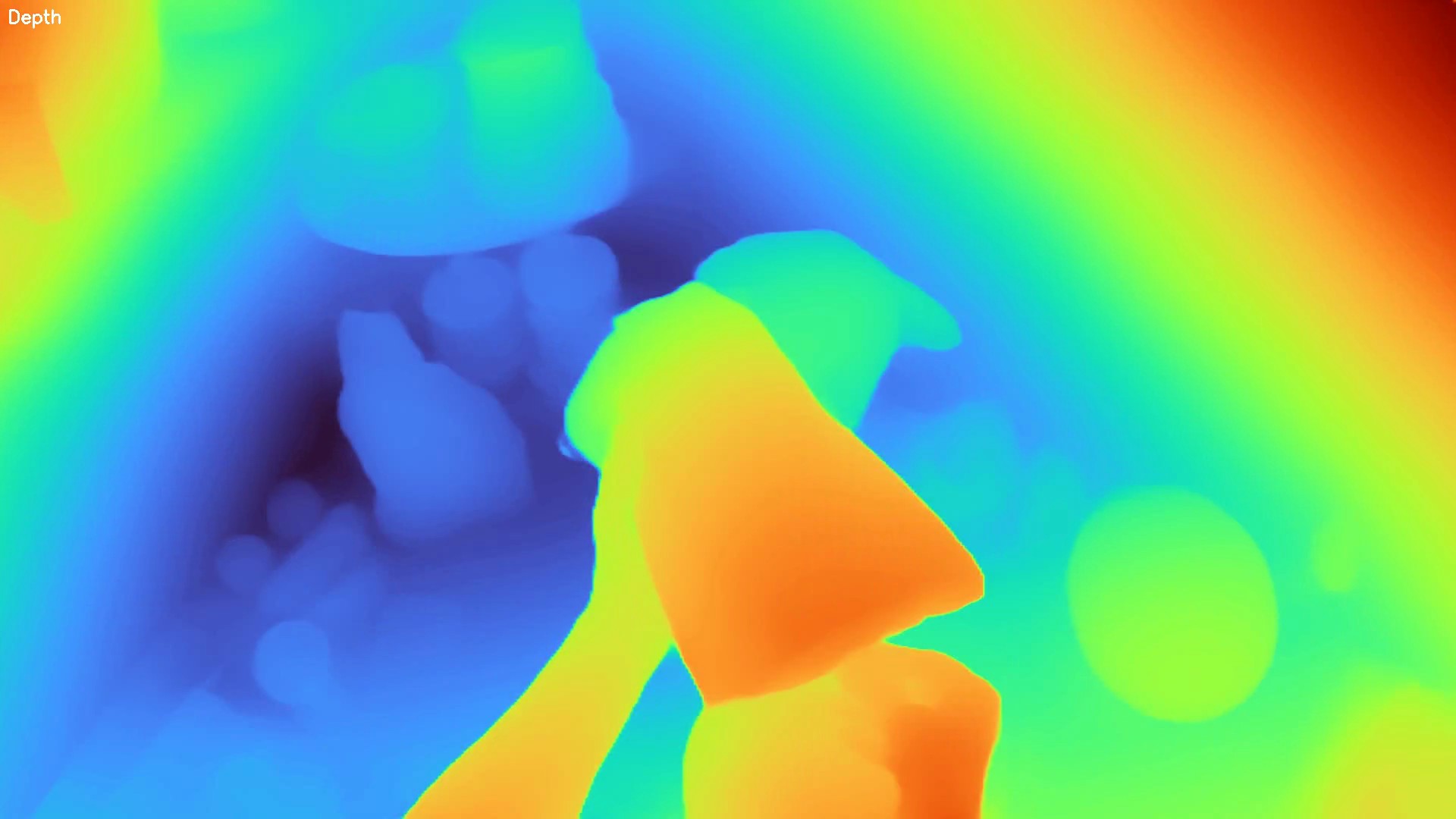
Segmentation + Depth.
Every frame.
Segmented view Depth map
PeakAI.
We close the data gap. Real environments. Real manipulation. Processed into robot-ready trajectories.
REC
00:00:00:00
0K+
Hours Captured
0M+
Trajectories
24/7
Pipeline
<5mm
Accuracy
0+
Environments
0+
Task Types
Capture. Process. Deliver.
01 CAPTURE

Multi-Sensor Recording

Egocentric stereo, depth, IMU, force-torque across real environments.

02 PROCESS

Segmentation + Depth

Instance segmentation, dense depth estimation, 6-DoF pose extraction.

03 VALIDATE

Physics Checks

Automated consistency validation. Outlier rejection. Quality scoring.

04 RECONSTRUCT

3D Fusion

Multi-view reconstruction. Point clouds. Complete scene understanding.

05 LABEL

Task Taxonomy

500+ task types. Object classes. Environment metadata. One taxonomy.

06 DELIVER

API + Formats

LeRobot, Open X, HDF5. Streaming API. Version-controlled releases.

We go where the work is.
🏭 Factory
LIVE
🍳 Kitchen
LIVE
🏠 Household
LIVE
🛒 Retail
LIVE
🩹 Healthcare
SOON
🌿 Agriculture
SOON
The landscape
today.
What the best labs in the world are training on — and why it's still not enough.
MODEL / DATASET SIZE ROBOTS TASKS
pi0 (Physical Intelligence) 10K+ hrs 7 68
Open X-Embodiment (Google DeepMind) 1M eps 22 527
OpenVLA (Berkeley/Stanford) 970K eps 22 527
DROID (Stanford/Berkeley/CMU) 76K traj 1 84
BridgeData V2 (Berkeley) 60K traj 1 13
TRI LBMs (Toyota Research) 1,700 hrs 2 100s
Figure Helix (Figure AI) ~500 hrs 1 bimanual
DROID: 50 people, 13 institutions, 12 months for 76K trajectories. OXE: 21 institutions over years for 1M episodes. The largest efforts in robotics history — and still orders of magnitude less than what foundation models need.
Why egocentric
human demos.
Not teleoperation. Not simulation. Not YouTube.
TELEOPERATION
$0.50
per demonstration
Requires robot present. Unnatural motion. $25-50/hr operator. 30-60 demos/hr. Doesn't scale.
EGOCENTRIC CAPTURE
<$0.08
per demonstration
No robot needed. Natural human motion. Any environment. 6x cheaper. Infinite scale.
SIMULATION
Can't model deformable objects. Fails on contact-rich manipulation. No real friction, texture, or compliance. Even Skild AI — simulation-first — needs real data for post-training.
INTERNET VIDEO
No action labels. No depth. No force data. Wrong viewpoint — optimized for viewers, not robots. No proprioception. Ego-Exo4D proved first-person uniquely encodes intent.
UMI (Stanford) proved it: human hand demos with a GoPro + 3D-printed gripper transfer directly to robot policies via Diffusion Policy. Dobb-E (NYU) did it with an iPhone — 20 minutes to learn a new task. Egocentric human data is the scalable path.
Ship in your format.
We deliver data compatible with every major framework and training pipeline.
RLDS
TensorFlow Datasets + Apache Arrow. Used by RT-1-X, RT-2-X, Octo.
LeRobot v3
Parquet + MP4 + safetensors. HuggingFace Hub native. Community standard.
Zarr
Chunked arrays. Fast random access. Used by Diffusion Policy, UMI.
HDF5
Hierarchical data. robomimic compatible. Legacy lab standard.
Every delivery includes: synchronized multi-camera streams (50-60Hz) · language annotations per episode · 6-DoF pose trajectories · depth maps · instance segmentation masks · success/failure labels · task taxonomy metadata · action chunks compatible with ACT and Diffusion Policy training.
What we know.
01
Environment diversity matters more than volume.
DROID showed 20% performance boost from distributing collection across 564 scenes vs concentrated collection. pi0.5 expanded to 100+ real homes. Lab-only data fails in deployment.
02
Cross-embodiment transfer is real.
RT-2-X outperforms RT-2 by 3x on emergent skills when trained on diverse robot data. OpenVLA's 7B model beats Google's 55B RT-2-X by 16.5% — data diversity trumps parameter count.
03
Correction data is the next frontier.
Physical Intelligence's RECAP method combines demos, autonomous rollouts, and expert interventions. More than doubles throughput, halves failure rates. The highest-value data isn't just demonstrations — it's corrections.
04
50 demos is the new baseline.
ACT, Diffusion Policy, and Mobile ALOHA all converge on ~50 demonstrations per task for 80-90% success. But foundation models need millions of demos for generalization. The gap between per-task fine-tuning and pre-training is the real challenge.
05
The data flywheel determines who wins.
Deployed robots generate training data. Better data makes better robots. Better robots get deployed more. The company that starts this loop first — with the most diverse, real-world data — compounds fastest.
$13.8B poured into robotics in 2025.
All bottlenecked on data.
Join the
revolution.
pg@peakai.life